
100+ Poison Tree Tattoo Meaning (Dark, Deep & Powerful Guide
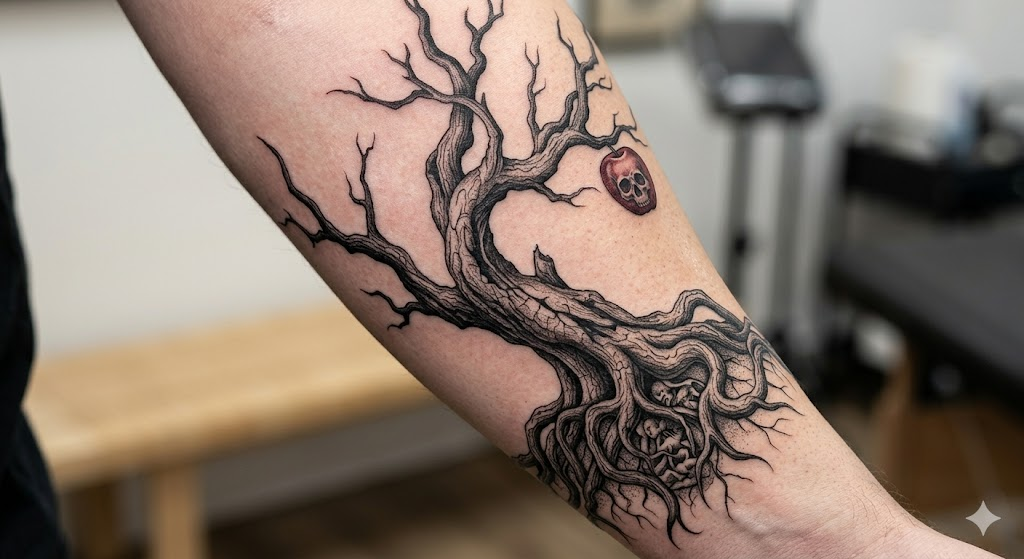
If you have ever come across a dark, twisted tree tattoo and wondered what story it carries beneath its bark, you are not alone. The poison tree tattoo is one of the most emotionally loaded, intellectually rich, and visually striking designs in modern body art. It is not just a tattoo — it is a confession, a warning, a transformation story, and a piece of literary history all pressed permanently into skin.
In recent years, this tattoo has been growing in popularity across tattoo communities worldwide. People from all walks of life writers, survivors, thinkers, artists are drawn to its depth. Unlike generic nature tattoos that celebrate beauty or peace, the poison tree tattoo dares to explore the darker corridors of human emotion: anger, betrayal, resentment, suppression, and the consequences of silence.
This complete guide explores every dimension of the poison tree tattoo meaning from its literary and psychological roots to design choices, color symbolism, placement ideas, and cultural interpretations. Whether you are planning to get one, or simply curious about what it represents, this is the most comprehensive resource you will find.
Why This Tattoo Is Gaining Popularity
The poison tree tattoo has seen a sharp rise in demand because modern people crave tattoos that mean something beyond aesthetics. Today’s tattoo enthusiasts are highly educated, emotionally aware, and spiritually curious.
They want designs that tell their personal stories, reflect their psychological journeys, or honor literary and philosophical ideas they connect with.
The poison tree fits perfectly into this demand. It offers a design that is visually dramatic and intellectually grounded. It references one of English literature’s most psychologically powerful poems. It speaks to universal human experiences hidden anger, toxic relationships, emotional damage, and eventual growth.
In a world where mental health conversations are finally becoming mainstream, a tattoo that symbolizes the dangers of emotional suppression resonates deeply.
Social media platforms like Pinterest, Instagram, and TikTok have also played a major role. Dark aesthetic content, gothic tattoo inspiration, and deep-meaning body art have exploded in popularity, bringing the poison tree into the mainstream tattoo conversation.
What Makes It Unique Compared to Other Tree Tattoos
Most tree tattoos whether oak trees, cherry blossoms, or the classic tree of life carry positive symbolism: growth, connection, rebirth, strength, and spiritual grounding. The poison tree is fundamentally different. It inverts the traditional symbolism of trees by representing what happens when natural growth is fueled not by sunlight and love, but by suppressed anger, fear, and resentment.
While a tree of life tattoo says “I am rooted and growing,” a poison tree tattoo says “I know what festers when truth is left unspoken.” It carries emotional complexity, literary depth, and psychological awareness that few other tattoo symbols can match.
| Feature | Regular Tree Tattoos | Poison Tree Tattoos |
| Core Symbolism | Life, growth, peace | Hidden anger, dark emotions |
| Emotional Tone | Positive | Complex / Dual |
| Literary Origin | General nature symbolism | William Blake’s 1794 poem |
| Audience | Broad | Introspective, literary, deep thinkers |
| Visual Style | Usually balanced | Often twisted, dark, dramatic |
| Meaning Depth | Moderate | Very deep and layered |
Quick Snapshot of Meanings (Positive + Negative)
Before diving into full explanations, here is a quick reference for the dual nature of this tattoo’s symbolism:
Positive Meanings:
- Personal transformation through pain
- Awareness of emotional toxicity
- Courage to confront inner darkness
- Strength forged through suffering
- Healing and release from past trauma
Negative Meanings:
- Suppressed anger and resentment
- Betrayal and emotional revenge
- Toxic relationships and emotional damage
- Unresolved conflict festering over time
- Self-destructive emotional patterns
What Does a Poison Tree Tattoo Mean? (Core Meaning Explained)
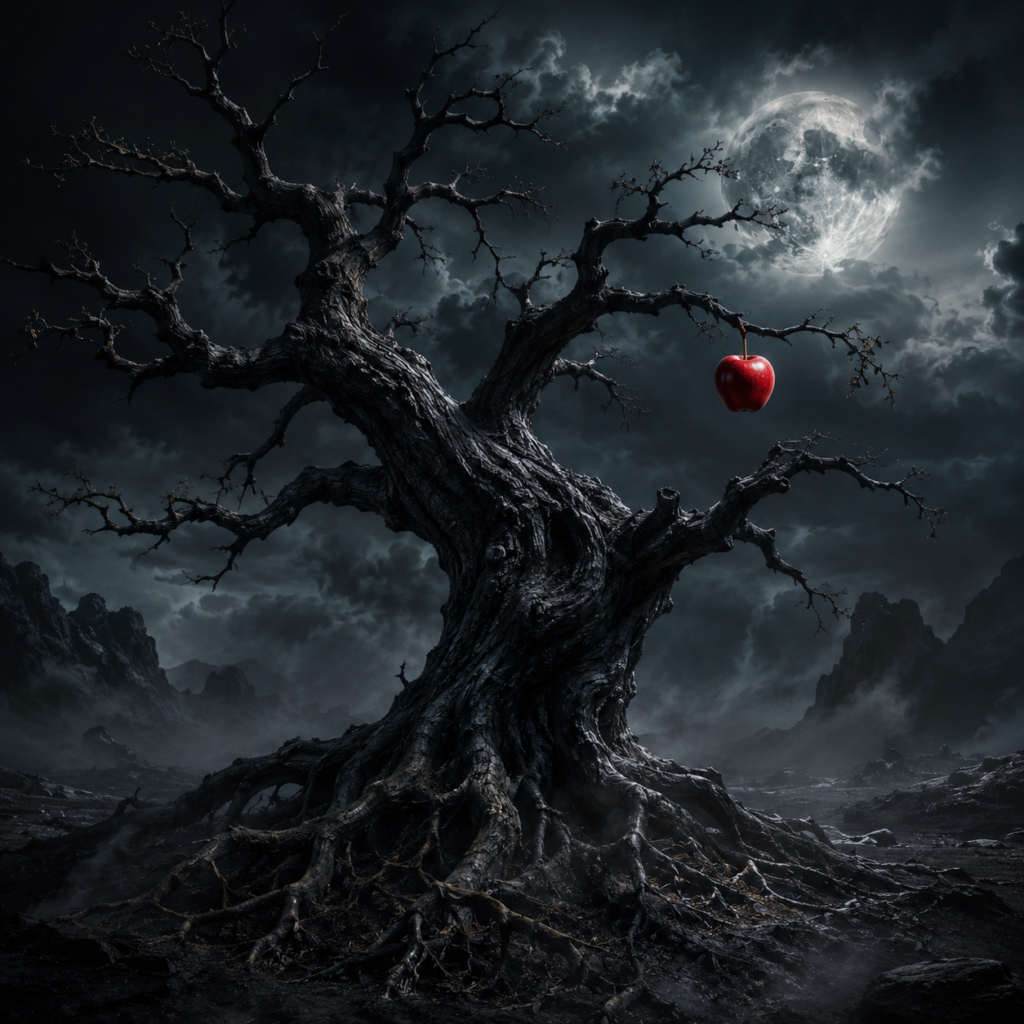
At its most fundamental level, the poison tree tattoo meaning centers on one powerful idea: suppressed emotions grow dangerous when left unspoken. The tree in this context is not a symbol of peaceful, healthy growth. It is a symbol of what happens when anger, resentment, or emotional pain is allowed to quietly grow in the darkness of the human heart.
The core message is rooted in a simple but profound truth that every human being has experienced at some point — the feeling of holding something painful inside because you could not, or would not, express it. Over time, that unexpressed feeling does not disappear. It takes root. It grows. It bears fruit. And that fruit, as William Blake famously described it, is poisoned.
This is the central theme of the poison tree tattoo, and it resonates because it is deeply honest about a universal human struggle.
Hidden Anger and Suppressed Emotions
The most immediate and widely recognized meaning of the poison tree tattoo is hidden anger — specifically, the kind of anger that is never voiced. This is not explosive rage but a quieter, more dangerous kind: the anger you smile through, the resentment you carry into every room without showing it, the grievance you keep feeding in silence.
The tattoo serves as a permanent acknowledgment of this experience. For many wearers, it is a reminder — sometimes a warning — of what happens when anger is swallowed instead of expressed. It honors the complexity of human emotion and refuses to pretend that everything is fine when it is not.
People who choose this design often have personal stories involving situations where they were unable to speak their truth whether because of fear, social pressure, abusive relationships, or deeply ingrained emotional suppression patterns.
Revenge, Betrayal, and Emotional Damage
A significant layer of the poison tree tattoo meaning deals with betrayal and its aftermath. When someone deeply trusted causes profound emotional harm, the natural response is a mixture of grief, anger, and a desire however uncomfortable to admit for some form of justice or revenge.
The poison tree is the perfect symbol for this experience. In Blake’s poem, the anger grows specifically toward a foe someone the speaker could not be honest with and the tree ultimately produces a fruit that destroys the enemy. For many tattoo wearers, this narrative mirrors their own life experiences: the slow, silent accumulation of pain caused by betrayal, and the way that pain, if never processed, can become a destructive force.
The tattoo does not necessarily glorify revenge. Instead, it acknowledges the emotional reality of betrayal and the human capacity to be consumed by it.
Toxic Growth and Inner Darkness
Another dimension of the poison tree tattoo meaning relates to what psychologists call “emotional toxicity” — patterns of thought, feeling, and behavior that are harmful both to the person experiencing them and to those around them. The tattoo can symbolize a personal reckoning with one’s own toxic patterns.
This interpretation is often chosen by people who have undergone significant personal growth or therapy. The tattoo represents the part of themselves they had to confront and transform — the internal poison tree they had been quietly watering without realizing it. Wearing this image permanently can be a commitment to awareness, to not letting those patterns define them again.
Transformation and Personal Awakening
Not all poison tree tattoo meanings are dark by nature. A powerful positive interpretation is transformation — the idea that recognizing your emotional poison is the first step toward healing and awakening. Many wearers choose this tattoo specifically to mark a turning point in their lives: the moment they chose awareness over suppression, honesty over silence, growth over stagnation.
In this reading, the poison tree is not a symbol of defeat but of hard-won wisdom. It says: “I have been through darkness. I have felt the roots of resentment and anger grow inside me. And I chose to become aware of them rather than be destroyed by them.”
Warning Symbol for Relationships
Some people wear the poison tree tattoo as a quiet warning to themselves and to others about the dynamics of toxic relationships. It is a reminder that relationships built on silence, deceit, and emotional dishonesty will eventually produce harmful outcomes for everyone involved.
For survivors of narcissistic relationships, emotionally abusive dynamics, or toxic family environments, this tattoo carries a deeply personal meaning. It memorializes the experience while also representing the decision to move forward with greater emotional awareness.
The Deep Psychological Meaning Behind Poison Tree Tattoos
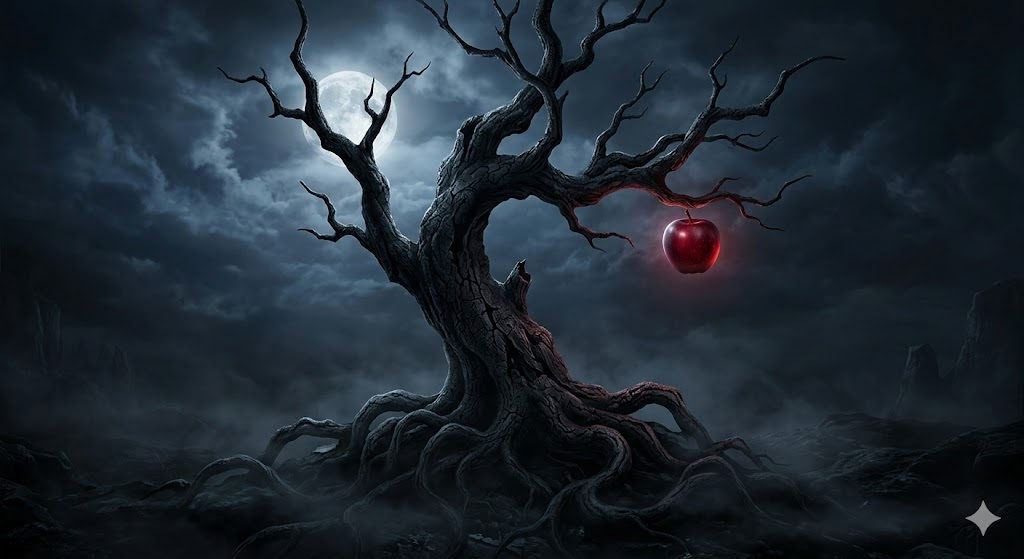
Beyond symbolism, the poison tree tattoo carries significant psychological weight. It sits at the intersection of emotional psychology, trauma awareness, and personal identity and this is part of what makes it so compelling to people who are drawn to introspective body art.
Repressed Emotions and Mental Pressure
Psychologists have long documented the damage that emotional repression causes to mental and physical health. When emotions especially anger are consistently suppressed rather than expressed or processed, they do not simply go away. They accumulate, creating what mental health professionals describe as emotional pressure buildup.
The poison tree is a perfect visual metaphor for this phenomenon.The tree grows slowly, quietly, invisibly just as repressed emotions build beneath the surface of daily functioning, often unnoticed until they manifest in anxiety, depression, explosive anger, or behavioral problems. The tattoo honors this psychological reality and gives it a visible form.
The Psychology of Holding Grudges
The poison tree tattoo also speaks directly to the psychology of grudges one of the most destructive emotional patterns humans engage in. Research in positive psychology consistently shows that holding grudges causes significantly more harm to the person holding them than to the person they are directed at.
Blake’s poem captures this perfectly: the speaker’s hidden anger ultimately destroys his enemy, but the reader cannot help but wonder what it has done to the speaker in the process of being nurtured for so long. The tattoo can be a reminder of this truth a permanent visual cue to process and release rather than hold and harbor.
Emotional Toxicity and Self-Destruction
One of the more sobering interpretations of the poison tree tattoo is the idea of self-destruction through emotional toxicity. The person who grows the poison tree does so with their own tears, fears, and false smiles. They invest enormous psychological energy in maintaining the illusion of composure while feeding something destructive inside themselves.
This self-destructive dimension of the symbol resonates with people who have experienced burnout, emotional exhaustion, or the long-term effects of maintaining a false persona. The tattoo acknowledges that toxicity is not always directed outward sometimes the most dangerous poison is the one we brew for ourselves.
Healing, Release, and Emotional Growth
On the other side of the psychological coin, the poison tree tattoo can represent the healing journey. Once a person becomes aware of their own emotional patterns their capacity for silent resentment, their tendency toward suppression they are in a position to change. The tattoo can mark this shift: the moment of recognition that precedes transformation.
For many wearers, getting this tattoo is itself a cathartic act a way of externalizing internal pain, acknowledging it on the skin, and beginning the process of release. It is a form of embodied emotional processing.
Shadow Self and Inner Conflict (Carl Jung Concept)
Swiss psychologist Carl Jung introduced the concept of the “shadow self” the unconscious part of the personality that contains everything the conscious mind refuses to acknowledge: suppressed desires, unresolved anger, hidden fears, and dark impulses. Jung believed that genuine psychological growth requires integrating the shadow, not denying it.
The poison tree tattoo maps beautifully onto this Jungian framework. It represents the shadow — the hidden, dark, emotionally charged inner world that grows in secret. Choosing to wear this image is, in Jungian terms, an act of shadow integration: a willingness to acknowledge the darkness within rather than pretend it does not exist.
This interpretation gives the tattoo remarkable psychological depth and makes it especially meaningful for people engaged in deep self-work or therapy.
Literary Origin William Blake’s Poison Tree Explained
No exploration of the poison tree tattoo meaning is complete without a thorough understanding of the literary work that inspired it. William Blake’s poem “A Poison Tree,” published in 1794 as part of his collection Songs of Experience, is one of the most psychologically penetrating short poems in the English language.
Summary of “A Poison Tree” Poem
The poem is deceptively simple in structure four stanzas of rhyming couplets that read almost like a children’s nursery rhyme. But beneath that simple surface lies a profoundly disturbing moral tale.
The speaker begins by describing two experiences of anger. When angry with a friend, the speaker expresses it and the anger ends. When angry with a foe, the speaker says nothing and the anger grows. The speaker then nurtures this silent anger “both day and night,” watering it with tears and fears, warming it with false smiles and deceptive behavior.
The anger grows into a tree that eventually produces a bright, beautiful apple. The foe, attracted by the apple, steals into the speaker’s garden at night and eats it and is found dead beneath the tree in the morning. The speaker, chillingly, is “glad.”
This spare, haunting narrative captures the entire psychology of suppressed anger, deceit, and the ultimately destructive consequences of emotional dishonesty.
Hidden Meaning Behind the Apple Symbol
The apple in Blake’s poem is one of the richest symbols in English literature. On one level, it directly references the biblical story of the Garden of Eden the forbidden fruit that leads to the fall of humanity. The apple is beautiful on the outside but deadly on the inside. It represents temptation, deceit, and the consequences of acting on forbidden impulses.
In the context of the poison tree tattoo, the apple symbol carries multiple meanings. It can represent the toxic “gift” that emerges from long-nursed resentment the moment when suppressed anger finally externalizes and causes harm.
It can also represent the dangerous allure of revenge: something that looks bright and appealing but carries destruction within it. Tattoo designs that incorporate the apple amplify these layers of meaning considerably.
Anger vs Expression Theme in the Poem
The poem’s central argument is expressed in its opening stanza: when anger is spoken, it dissolves; when it is kept silent, it grows. This is Blake’s most direct message, and it remains as psychologically relevant today as it was in 1794.
The tattoo draws on this core theme. At its heart, it is a commentary on the necessity of emotional expression.
Not aggressive, destructive expression but honest, direct communication of difficult feelings. The poem and the tattoo both suggest that the refusal to express anger is not virtue or patience; it is the cultivation of something dangerous.
How Literature Influences Tattoo Symbolism
Blake’s poem demonstrates how powerfully literature can shape body art culture. The poem gave tattoo artists and wearers a complete symbolic framework: a tree that grows from silence and anger, produces beautiful but deadly fruit, and culminates in destruction.
Every element of this narrative translates into visual tattoo design roots, branches, fruit, darkness, hidden growth making the poem an almost perfect blueprint for a layered, meaningful tattoo.
The literary origin also gives the tattoo an intellectual credibility that purely visual symbols often lack. It signals to observers that the wearer has engaged with ideas, with poetry, with psychological complexity not just chosen a design for its aesthetics.
Symbolism Breakdown (Every Element Explained)
Every visual element of a poison tree tattoo carries specific symbolic weight. Understanding these elements helps both in choosing a design and in interpreting the deeper meaning of existing designs.
The Tree (Growth of Emotions)
The tree itself is the central metaphor representing the slow, relentless growth of suppressed emotional energy. Unlike trees that grow in sunlight and nourishment, this tree grows in darkness, fed by negative energy. Its twisted, gnarled appearance in most designs reflects the distorted nature of emotions that have been denied healthy expression.
The tree is also a symbol of longevity and persistence. Emotions that are suppressed do not weaken over time they strengthen, grow deeper roots, spread wider branches. The tree makes this invisible psychological process visible and permanent.
The Roots (Hidden Feelings)
In most poison tree tattoo designs, the roots are depicted as deep, tangled, and often hidden beneath the surface sometimes extending into darkness, sometimes wrapped around bones or skulls. These roots represent the deepest, most buried emotions: the foundational resentments, early traumas, and core wounds that feed the tree above.
The roots remind the observer that what is visible above the surface is only part of the story. The real emotional content lies buried, hidden, and far more extensive than it appears.
The Branches (Actions and Consequences)
The branches of the poison tree represent how suppressed emotions eventually manifest in behavior in actions taken, words spoken (or unspoken), decisions made from a place of unprocessed pain. They reach outward, extending beyond the self and affecting others.
In twisted, deadwood designs, the branches can symbolize the destructive reach of emotional toxicity the way that one person’s unprocessed anger can spread its influence into relationships, families, and communities.
In more artistic interpretations, branches that reach toward light can suggest the possibility of growth and transformation even from dark roots.
The Fruit (Poisoned Outcomes)
The fruit of the poison tree represents the consequences of emotional suppression. In Blake’s poem, the fruit is beautiful and bright which is precisely what makes it dangerous.
The tattoo captures this paradox: the outcomes of long-nurtured resentment can appear attractive on the surface (a sense of vindication, a moment of revenge, a feeling of righteous anger) but carry destruction within.
For many wearers, the fruit symbolizes the harmful patterns or behaviors that emerged from their own periods of emotional suppression relationships they damaged, opportunities they missed, pain they inflicted or endured because emotions were never honestly addressed.
The Apple (Temptation and Revenge)
The apple is the most symbolically loaded element in the poison tree tattoo. Drawing on both biblical imagery and Blake’s specific poem, the apple represents temptation the seductive pull of revenge, the attractive surface of something fundamentally destructive.
Tattoo designs incorporating an apple often position it at the focal point of the composition, highlighted against darker surroundings, sometimes split to reveal darkness or rot within. This visual tension between outer beauty and inner toxicity is one of the most powerful design elements available in the poison tree aesthetic.
Positive vs Negative Meanings (Dual Perspective)
One of the most important things to understand about the poison tree tattoo is that its meaning is genuinely dual. It is neither simply a dark symbol nor an entirely positive one.
The perspective depends entirely on the individual wearer’s relationship with the symbol.
Positive Interpretations
- Awareness and wisdom — the wearer has faced their own emotional toxicity and chosen to understand it
- Transformation — the tattoo marks a turning point from destructive patterns to conscious growth
- Emotional courage — the willingness to confront difficult inner truths rather than suppress them
- Survival — having come through a toxic relationship or environment and emerged stronger
- Intellectual depth — an appreciation for literary and philosophical complexity
- Therapeutic release — a cathartic externalization of internal pain
Negative Interpretations
- Unresolved anger — the wearer is still actively nurturing resentment
- Victimhood identity — the tattoo marks someone who defines themselves by their wounds
- Dangerous intentions — in rare cases, a literal symbol of harbored vengeance
- Toxic self-concept — identification with darkness rather than transcendence of it
- Emotional unavailability — a shield that signals to others “stay away from my depths”
Neutral or Personal Interpretations
Most poison tree tattoos fall into a deeply personal middle ground that defies simple positive or negative categorization. The wearer knows their own story — the specific relationship, loss, trauma, or realization that the tattoo commemorates. To anyone else, the tattoo is a mystery. To the wearer, it is a precise, intimate symbol of their most private emotional reality.
Spiritual and Religious Meaning of Poison Tree Tattoos
The poison tree carries significant spiritual and religious resonance across multiple traditions, adding yet another layer of depth to this already complex symbol.
Biblical Symbolism (Sin, Temptation, Forbidden Fruit)
The most immediate spiritual connection is to the biblical narrative of Eden. The Tree of Knowledge bears fruit that God forbids — and yet tempts.
The serpent encourages Eve to eat. The result is the fall of humanity, the birth of shame, and expulsion from paradise.
Blake explicitly invokes this imagery in his poem, positioning the speaker as both serpent and God in relation to his enemy.
For wearers with religious backgrounds, the poison tree tattoo can carry deep spiritual weight representing the human capacity for sin, the danger of temptation, and the consequences of moral failure. It can also represent a personal “fall” a moment when the wearer made choices they regret, or experienced the moral consequences of someone else’s choices.
Karma and Consequences in Eastern Beliefs
In Eastern philosophical traditions particularly Hindu and Buddhist thought the concept of karma offers a parallel framework for understanding the poison tree. Every action, every suppressed emotion, every hidden intention eventually produces consequences.
The poison tree can be read as a symbol of karmic accumulation: the slow gathering of negative energy that eventually manifests in ways that affect both the generator and those around them.
This interpretation gives the tattoo a broader philosophical dimension, connecting it to ideas about mindfulness, intention, and the long-term consequences of emotional dishonesty.
Moral Lessons and Spiritual Awakening
Across many spiritual traditions, the poison tree can serve as a moral emblem a reminder of lessons learned through suffering. For spiritually minded individuals, the tattoo can represent a commitment to greater awareness, intentionality, and emotional honesty in their dealings with the world.
The process of moving from unconscious emotional suppression to conscious awareness is, in many spiritual traditions, a form of awakening. The tattoo marks this awakening the moment when the individual recognized the poison they were carrying and chose to engage with it honestly.
Energy, Aura, and Emotional Vibration
In more contemporary spiritual frameworks including new age thought and energy healing traditions — emotions are understood as having vibrational qualities that affect the energy field of the person experiencing them. Suppressed negative emotions are believed to lower vibrational frequency and create energetic blockages.
The poison tree tattoo, in this context, can represent a commitment to clearing these blockages — to releasing the dense, low-frequency emotional energy associated with resentment, anger, and suppression. It can be a reminder to the wearer to actively process, release, and purify rather than accumulate emotional toxicity.
Cultural Interpretations Around the World
The poison tree as a symbol has resonance across many cultures, though the specific nuances of interpretation vary considerably.
Western Interpretations (Emotion and Revenge)
In Western cultures — particularly in the English-speaking world deeply shaped by Blake’s poem — the poison tree is primarily understood through the lens of emotional psychology. Western interpretations focus on anger, resentment, suppression, and the interpersonal dynamics of toxic relationships. The concept of individual emotional responsibility — the idea that each person is responsible for managing their own inner life — shapes how Westerners read this symbol.
In Western tattoo culture, the poison tree often appears in gothic, dark art, and illustrative styles, reflecting the tradition of using dark imagery to explore emotional depth and psychological complexity.
Eastern Symbolism (Balance and Karma)
Eastern cultural interpretations tend to emphasize balance, consequences, and the karmic dimension of the symbol. In cultures where the concept of yin and yang is foundational — where darkness and light are understood as necessary complements rather than moral opposites — the poison tree can represent the necessary shadow side of growth and life.
The tree that bears poison does not exist in isolation; it exists within an ecosystem, a balance. Eastern readings of the poison tree tattoo often emphasize this ecological and karmic perspective: all things have consequences, all emotions have effects, and awareness of this truth is the beginning of wisdom.
Mythological References to Poison Trees
Across world mythologies, poison trees and toxic plants appear with striking frequency. Norse mythology features Yggdrasil — the world tree — with its deep roots touching the underworld. Greek mythology includes the tree of knowledge in paradise narratives. Celtic traditions associate certain trees with boundary spaces between worlds — places where ordinary rules do not apply and dangerous magic is possible.
These mythological echoes give the poison tree tattoo a primal, archetypal resonance that goes beyond any specific literary or personal interpretation. It touches something ancient and universal in human symbolic imagination.
Modern Cultural Meaning in Society
In contemporary culture, the poison tree has become a symbol that resonates particularly strongly with people who have lived through toxic environments: abusive family systems, manipulative relationships, exploitative workplaces, or oppressive social structures. The tattoo speaks to the experience of having one’s authentic emotional expression systematically suppressed — and the slow, damaging growth of resentment that follows.
In this broader social context, the poison tree tattoo can carry a quietly political dimension: an assertion of the right to emotional truth, a rejection of systems that demand silence and compliance at the cost of psychological health.
Poison Tree Tattoo Meaning in Modern Life
In the context of contemporary life — with its social media pressures, relationship complexities, mental health crises, and cultural emphasis on authentic self-expression — the poison tree tattoo has found an especially fertile ground for meaning-making.
Representation of Toxic Relationships
Perhaps the most immediately recognizable modern meaning of the poison tree tattoo is its connection to toxic relationships. In the landscape of modern dating, family dynamics, and social interaction, the concept of toxicity has become a widely used — if sometimes imprecise — framework for understanding harmful relationship patterns.
The poison tree captures the specific experience of relationships that appear beautiful and appealing from the outside (like Blake’s bright apple) but carry harm within them. For people who have experienced narcissistic partners, emotionally abusive parents, or manipulative friendships, the tattoo offers a powerful symbol for the pattern of hidden harm beneath attractive surfaces.
Symbol of Personal Struggles
Beyond relationships, the poison tree tattoo speaks to deeply personal internal struggles — battles with mental health, addiction, grief, or existential crisis. These are the hidden trees that grow in the private gardens of the self, nourished by pain and silence, invisible to the outside world.
For many wearers, the tattoo marks a period of intense personal difficulty — a time when they were fighting battles no one could see. It is a tribute to that hidden struggle and a celebration of survival.
Identity, Rebellion, and Expression
The poison tree tattoo also functions as a form of identity expression — a way of signaling to the world that the wearer is not interested in presenting a sanitized, socially acceptable version of their inner life. It is, in this sense, a mild form of rebellion against cultural norms that demand positivity, cheerfulness, and the suppression of difficult emotions.
Wearing a poison tree says: “I have a complicated inner life. I have experienced darkness. I am not afraid to acknowledge it.” This kind of emotional honesty, expressed through body art, is increasingly valued in contemporary culture.
Social Media and Trend Influence
It would be incomplete to discuss the modern meaning of the poison tree tattoo without acknowledging the role of social media in amplifying its cultural presence.
On Instagram, Pinterest, TikTok, and tattoo-specific platforms, dark aesthetic content including twisted trees, gothic imagery, and emotionally loaded body art has reached massive audiences.
The hashtags associated with dark tattoos, emotional tattoos, and literary tattoos generate millions of engagements.
This visibility has brought the poison tree into mainstream tattoo culture, making it accessible to people who might never have encountered Blake’s poem but find themselves deeply drawn to the symbol’s visual and emotional language.
Popular Poison Tree Tattoo Designs and Their Meanings
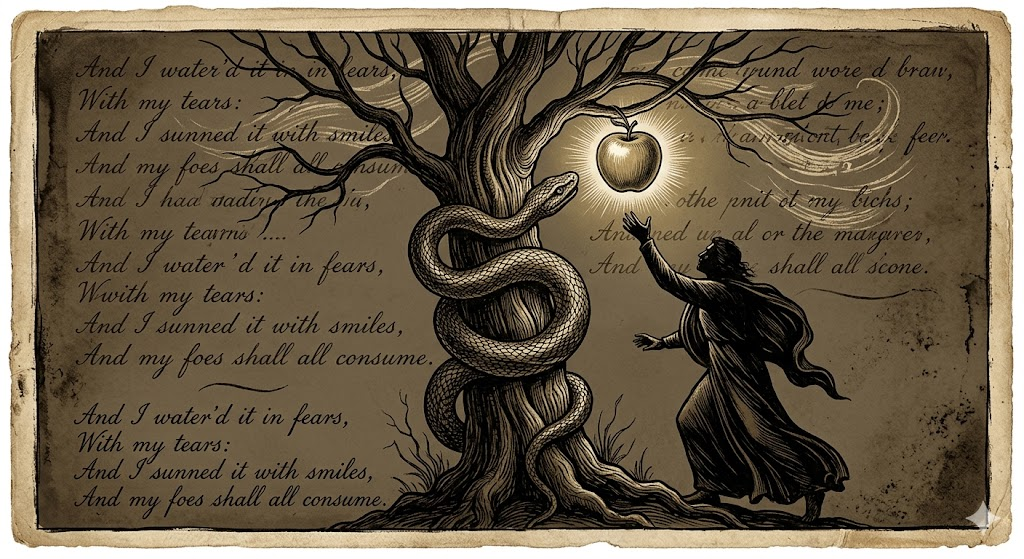
The visual range of poison tree tattoo designs is remarkably diverse, spanning styles from minimalist line work to elaborate full-back compositions. Each design variation carries its own specific layer of meaning.
Dead Poison Tree Tattoo Meaning
A dead poison tree leafless, desiccated, branches reaching upward like skeletal fingers — represents the aftermath of emotional destruction. It suggests that the toxic growth cycle has run its course: the anger has burned itself out, the relationship has ended, the emotional era is over. What remains is beautiful in its stark, bare honesty.
This design is often chosen by people who have emerged from a difficult period and are now in a phase of aftermath and reflection.
Tree with Poison Apples Design
Adding apples to the poison tree design immediately invokes the full range of Blake’s poem — temptation, deceit, dangerous beauty, and ultimate destruction.
This is one of the most narratively complete designs available: it tells the entire story of hidden anger growing to its poisonous conclusion.
The contrast between the natural beauty of apples and the twisted, dark tree that bears them creates a powerful visual tension. This design is especially effective in black-and-grey ink, where the apples can be rendered with a ghostly luminosity against dark branches.
Minimalist Poison Tree Tattoo
For wearers who prefer subtle, understated body art, the minimalist poison tree — rendered in clean, fine-line black ink focuses on the essential shape of the tree without elaborate detail. A simple silhouette, a sparse arrangement of branches, perhaps a single piece of fruit.
This design communicates the same depth of meaning as more elaborate versions but does so with economy and elegance. It is particularly popular among people who want to carry the symbol privately, without drawing immediate attention to it.
Gothic and Dark Style Tattoos
The gothic poison tree is perhaps the most visually dramatic expression of the design. Rendered in heavy black ink with deep shadows, intricate texturing, and atmospheric darkness, gothic-style poison tree tattoos lean fully into the dark aesthetic of the symbol.
They may incorporate additional gothic elements moons, ravens, fog, skulls, or architectural ruins — creating a complete dark visual world centered on the tree.
This style is chosen by wearers who fully embrace the darker dimensions of the tattoo’s meaning and want to express that embrace visually.
Skull and Poison Tree Combination
Combining a skull with the poison tree adds an explicit mortality dimension to the design. The skull suggests that the consequences of emotional toxicity of unspoken anger and nurtured resentment are ultimately fatal, either to relationships, to aspects of the self, or (as in Blake’s poem) literally to individuals. This combination also connects the tattoo to broader memento mori traditions in tattoo art the acknowledgment of death as a context for how we live and treat each other.
Broken or Burning Tree Design
A poison tree that is cracked, split, or burning carries a different energy than an intact, growing tree. The breaking or burning suggests rupture the moment when suppressed emotions finally erupt, when the toxic accumulation reaches a crisis point and can no longer be contained.
This design is often chosen by people who have experienced that kind of emotional eruption — a breakdown, a confrontation, a moment when everything that was held inside finally came out.
Blackwork vs Colored Tattoo Meaning
The choice between blackwork and color significantly affects the meaning and emotional impact of a poison tree tattoo.
| Style | Visual Impact | Emotional Tone | Best For |
| Pure Blackwork | Bold, stark, dramatic | Serious, resolved, definitive | Making a strong statement |
| Black and Grey | Nuanced, atmospheric | Reflective, complex, nostalgic | Detailed storytelling |
| Red Accents | High contrast, urgent | Passionate, dangerous, intense | Emphasizing anger or passion |
| Green and Black | Organic, unsettling | Natural yet toxic | Nature-inspired designs |
| Full Color | Vibrant, complex | Multi-layered, transformative | Hope within darkness |
Color Symbolism in Poison Tree Tattoos
Color choices in poison tree tattoos are never arbitrary. Each color adds a specific layer of meaning to the overall composition.
Black (Darkness and Mystery)
Black is the foundational color of most poison tree tattoos, and for good reason. Black represents darkness, mystery, the unknown, and the hidden. It is the color of what lies beneath the surface, of what is kept in shadow.
In the context of the poison tree, black inks emphasize the hidden growth of suppressed emotions — the private, nighttime cultivation of resentment that Blake describes.
Red (Anger, Danger, Passion)
Red accents particularly effective on fruits or veins within the bark — bring the most immediate emotional energy to the design. Red is the universal color of anger, danger, passion, and urgency. In a poison tree tattoo, red creates visual tension:
it suggests that the emotional content of the tree is not cold and quiet but hot, alive, and potentially explosive. Red can also suggest blood — the cost of emotional destruction, both literal and metaphorical.
Green (Life, Toxicity, Growth)
Green in a poison tree tattoo carries a fascinating ambiguity. Green is the color of life, growth, and nature — but in the context of poison, it shifts to suggest toxicity and danger (think of the vivid green of poison symbols, toxic substances, and venomous creatures).
A poison tree with green foliage suggests something that appears alive and healthy but carries destruction within — a perfect visual representation of the tattoo’s central paradox.
Purple (Spiritual Conflict)
Purple is less common in poison tree designs but adds a deeply atmospheric quality when used. Associated with spirituality, mystery, and psychological depth, purple shifts the emotional register of the tattoo toward the metaphysical.
A purple-toned poison tree suggests spiritual conflict — a battle not just with specific people or relationships but with deeper existential questions about the nature of good and evil, light and darkness, in human experience.
Grey (Neutral Emotions and Balance)
Grey tones — particularly in black-and-grey realism styles — bring nuance and balance to the design. Grey suggests neither pure darkness nor pure light but the complex middle ground where most actual human emotional experience lives. Grey-toned poison tree tattoos often have the most emotionally authentic quality: they acknowledge complexity without resolving it into simple good or bad.
Best Placement Ideas and What They Mean
The placement of a poison tree tattoo significantly affects both its visual impact and its symbolic meaning. Different body locations create different relationships between the wearer and the symbol.
Forearm Tattoo Meaning
The forearm is one of the most popular placements for poison tree tattoos. Positioned here, the tattoo is constantly visible to the wearer a daily reminder of the symbol’s meaning and the personal commitment it represents.
It is also visible to others, making it a form of open communication and identity expression. Forearm placement suggests the wearer is comfortable with the tattoo’s visibility and sees it as part of how they present themselves to the world.
Chest Tattoo Meaning
A chest placement locates the poison tree directly over the heart — the symbolic seat of emotion in virtually every culture. This placement is deeply personal and emotionally significant. It suggests that the tree’s meaning is carried close to the emotional core of the wearer’s identity.
Chest tattoos are large enough to accommodate significant detail, making them ideal for elaborate designs with full root systems, branching canopies, and multiple symbolic elements.
Back Tattoo Meaning
The back offers the largest canvas on the human body and allows for truly monumental poison tree compositions full trees from root to crown, elaborate environments, intricate detail.
A back placement also suggests that the tattoo’s meaning is something the wearer carries behind them — part of their history, their past, what has formed them and continues to shape them without being constantly visible in the mirror.
Neck Tattoo Meaning
Neck tattoos are bold, immediately visible, and impossible to conceal without deliberate effort. A poison tree on the neck is a declaration a refusal to hide the symbol or its meaning. It
communicates confidence, emotional directness, and a willingness to be seen in one’s complexity. Neck placement is not for the faint-hearted, and in the context of the poison tree, it amplifies the tattoo’s more confrontational dimensions.
Hand and Finger Placement Meaning
Hand and finger placements make the tattoo an active presence — always in motion, always engaged with the world. A poison tree on the hand is a constant reminder with every gesture, every handshake, every creative act.
This placement is particularly meaningful for people who use their hands professionally in emotionally engaged work: writers, artists, therapists, musicians.
Leg and Thigh Placement Meaning
Leg placements — particularly the thigh offer a balance between visibility and concealment. The thigh provides a generous canvas for detailed designs while allowing the tattoo to be easily covered when the wearer chooses.
This placement is often chosen by people who want the tattoo’s meaning to be private and intimate rather than publicly displayed.
Poison Tree Tattoo Meaning for Men vs Women
While the poison tree tattoo transcends gender — its emotional and philosophical themes are universal — there are interesting differences in how men and women tend to approach the design.
Meaning for Men
Men who choose poison tree tattoos often connect with the themes of hidden anger, suppressed strength, and the consequences of emotional unavailability.
In many cultures, men are socialized to suppress emotional expression taught that anger should be controlled, vulnerability should be hidden, and pain should be endured in silence. The poison tree speaks directly to this experience.
Design-wise, men tend to choose bold, heavy blackwork designs with strong linework, minimal color, and emphatic composition. The aesthetic preference is often for power and presence over delicacy.
Meaning for Women
Women who choose poison tree tattoos often connect with themes of toxic relationships, survival of emotional abuse, and personal transformation. The experience of having emotions systematically dismissed, minimized, or weaponized common in abusive relationship dynamics — maps powerfully onto the poison tree’s symbolism of suppressed emotional truth.
Women’s design preferences tend toward more detailed, delicate work intricate linework, botanical elements, watercolor accents, or elegant compositions that balance darkness with artistic beauty.
Universal and Gender-Neutral Meaning
At its core, the poison tree tattoo addresses the most universal of human experiences: the struggle with difficult emotions, the consequences of emotional dishonesty, and the transformative power of confronting one’s inner darkness.
These experiences are not gendered. They belong to every person who has ever held something painful inside and felt it grow.
Why People Choose Poison Tree Tattoos
Understanding the motivations behind this tattoo choice helps illuminate both its cultural significance and its deeply personal dimensions.
Emotional Expression and Storytelling
Many people are drawn to the poison tree tattoo because it gives them a way to tell a story they find difficult to articulate in words. The tattoo becomes a kind of emotional autobiography — a compressed, symbolic account of an experience too complex, too private, or too painful for ordinary conversation.
Representing Pain and Growth
The tattoo serves as a permanent acknowledgment of pain — not as something to be hidden or overcome and forgotten, but as an integral part of the wearer’s story. It says: “This happened to me. It shaped me. I carry it knowingly.”
Symbol of Strength and Survival
For many wearers, the poison tree tattoo is ultimately a symbol of survival — of having navigated darkness and emerged, however scarred, on the other side.
The tree that bears poison has, after all, survived: it has put down roots, reached for light, and grown despite toxic conditions. In this light, the tattoo is as much a celebration of resilience as it is an acknowledgment of darkness.
Aesthetic and Artistic Appeal
Not all motivations are purely psychological. The poison tree simply makes for extraordinary visual art. Its combination of organic natural forms, dramatic dark aesthetic, and narrative complexity gives artists a rich palette to work with. Many people choose this design because they are drawn to dark botanical illustration as an art form and the poison tree represents the pinnacle of that tradition in tattoo art.
How to Choose the Right Poison Tree Tattoo
Choosing a poison tree tattoo thoughtfully ensures that the final result truly represents your intention and story.
Choosing the Right Style and Design
Begin by clarifying what specific aspects of the poison tree’s meaning resonate most with you. Is it the literary connection? The psychological dimensions?
The aesthetic? Your answer will guide your style choices. Someone connecting with Blake’s poem might prefer an illustrative, literary style with explicit apple and garden imagery. Someone connecting with the emotional psychology might prefer a more abstract, expressionistic design.
Deciding Size and Placement
Size and placement should be determined by both aesthetic and personal significance considerations. Large, detailed designs need appropriate canvas:
back, chest, thigh, or full sleeve. Smaller, minimalist designs work well on forearm, wrist, or ankle. Consider how visible you want the tattoo to be in your daily life and professional contexts.
Custom vs Ready-Made Tattoos
A custom poison tree tattoo designed specifically for you by a skilled artist who understands your personal story will always be more meaningful than a ready-made design.
Given the depth and specificity of this symbol, a custom approach is strongly recommended. Work with an artist who has experience in botanical, dark art, or illustrative styles.
Tips from Professional Tattoo Artists
- Research extensively before committing — look at multiple artists’ portfolios
- Schedule a consultation and explain the personal meaning behind your design
- Be open to the artist’s creative input — their experience with what works visually is invaluable
- Consider how the design will age over time — certain fine details may blur as the tattoo matures
- Plan for aftercare from day one — a well-cared-for tattoo retains its meaning and beauty for decades
Common Misinterpretations and Myths
Despite its rich symbolism, the poison tree tattoo is frequently misunderstood by people unfamiliar with its depth.
Is It Always a Negative Symbol?
Absolutely not. As this guide has demonstrated, the poison tree carries powerful positive meanings: transformation, awareness, survival, healing, and the courage to confront difficult emotional truths. Interpreting it as purely negative misses more than half its symbolic content.
Misunderstood as Evil or Dark Only
The association with darkness leads many observers to assume the tattoo signals evil intentions, nihilism, or glorification of destructive impulses.
In reality, the overwhelming majority of people who choose this tattoo are deeply thoughtful individuals engaged in genuine emotional and psychological self-reflection. The darkness in the design is acknowledged, not celebrated — and that is a very different thing.
Cultural Misinterpretations
In some cultural contexts, tree tattoos of any kind are associated with specific regional traditions that may not align with the poison tree’s actual symbolism.
It is worth being aware of the cultural context in which you will be wearing the tattoo and being prepared to gently educate curious observers about its specific meaning.
Context Changes Meaning
The most important principle in understanding any tattoo’s meaning is that context — personal, cultural, stylistic — transforms interpretation completely.
A poison tree tattoo on a gothic artist who loves Blake means something quite different from the same design on a therapy survivor marking their recovery.
The symbol is the same; the story is entirely different. Never assume you know what someone’s tattoo means without asking.
Evolution of Poison Tree Tattoo Meaning Over Time
Symbols do not remain static — they evolve as culture, context, and collective understanding change.
Historical Meaning vs Modern Meaning
Blake’s original poem was a critique of societal norms that suppressed emotional honesty in the name of politeness and Christian forbearance. In the 18th century, the poem was radical — a direct challenge to the social expectation that anger should be hidden and resentment endured in silence.
In the modern context, the same poem speaks to contemporary debates about mental health, emotional intelligence, and the psychological costs of emotional suppression. The core meaning has not changed, but its cultural resonance has deepened as psychological awareness has increased.
Influence of Literature and Media
Beyond Blake, the poison tree as a symbol has been amplified by its appearance in film, music, and popular culture. Dark fantasy, gothic literature, and psychologically complex storytelling in contemporary media have all created contexts in which the poison tree resonates. Artists and musicians who reference Blake’s imagery have introduced the symbol to new audiences.
Changing Trends in Tattoo Culture
Tattoo culture itself has evolved dramatically over the past two decades. What was once associated primarily with subcultures — biker communities, prison culture, punk and metal scenes — is now a mainstream art form with a sophisticated global community. Within this evolved culture, the market for meaningful, intellectually grounded tattoos has grown enormously. The poison tree has benefited from this shift.
What Your Poison Tree Tattoo Says About You
People who choose this tattoo tend to share certain personality traits and psychological characteristics.
Personality Traits Linked to the Tattoo
Poison tree tattoo wearers tend to be introspective rather than outwardly expressive, intellectually curious with a love of literature and ideas, emotionally complex and resistant to simple narratives, drawn to dark aesthetics as a form of honest self-expression, psychologically aware and engaged in ongoing self-reflection, and independent thinkers who resist conformity and social pressure to maintain a positive facade.
Emotional Depth and Mindset
This tattoo is not chosen by people who take their emotional lives lightly. It signals a willingness to sit with difficult feelings, to examine uncomfortable truths about oneself and others, and to use art as a medium for psychological processing. Wearers often have a high degree of emotional intelligence and a deep capacity for empathy alongside their awareness of darkness.
Personal Story and Identity
Every poison tree tattoo is ultimately a deeply personal story. The wearer knows why they chose this specific symbol at this specific time in their life. That story may involve a particular relationship, a specific trauma, a literary awakening, or a psychological turning point. The tattoo is the visible tip of an invisible personal history — and respecting that privacy is part of what makes tattoo culture at its best a space of profound individual dignity.
Expert Insights and EEAT Perspective
Tattoo Artist Insights on Design and Meaning
Professional tattoo artists who work with dark botanical designs consistently report that clients who request poison tree tattoos are among the most thoughtful and intentional they encounter. These are clients who have done their research, know their story, and come to consultations with a clear sense of what they want to communicate. Artists recommend working with professionals who specialize in illustrative or dark botanical styles, as the technical demands of the design require significant expertise in linework, shading, and compositional balance.
Psychological Expert Opinion on Dark Tattoos
Mental health professionals who study the relationship between body art and psychological well-being generally support the view that tattoos with deep personal meaning — including dark symbolic tattoos — can serve important functions in identity formation, trauma processing, and emotional expression. The key distinction is between tattoos chosen from a place of self-awareness versus those chosen from a place of unprocessed crisis. The former can be genuinely therapeutic; the latter may require careful consideration and support.
Importance of Understanding Symbolism Before Tattooing
One of the most consistent pieces of advice from both tattoo artists and psychological professionals is the importance of fully understanding the symbolism of a tattoo before committing to it permanently. The poison tree is rich enough in meaning that wearers who have explored its full depth — literary, psychological, spiritual, cultural — are far more likely to feel a sustained sense of connection to the design over time than those who choose it purely for aesthetic reasons.
Safety and Aftercare Advice
Beyond meaning, the practical care of a poison tree tattoo determines its longevity and visual quality. Professional artists recommend keeping the fresh tattoo clean and moisturized during the healing period (typically 2–4 weeks), protecting it from direct sun exposure which causes fading, using high-SPF sunscreen on healed tattoos during extended outdoor exposure, scheduling touch-up appointments as needed (usually within the first year), and following the specific aftercare instructions provided by your chosen artist.
Conclusion
The poison tree tattoo is one of the most layered, meaningful, and visually powerful symbols available in contemporary body art. Rooted in William Blake’s landmark 1794 poem and enriched by centuries of psychological, spiritual, cultural, and literary interpretation, it speaks to the deepest and most honest parts of human emotional experience.
Whether you are drawn to it for its literary connections, its psychological depth, its dark aesthetic beauty, or its resonance with your personal story, the poison tree tattoo offers something remarkably rare in a visual symbol: genuine, inexhaustible meaning. It does not simplify. It does not sanitize. It acknowledges that human beings are complicated — that we carry darkness alongside light, that we have felt anger we could not express, that we have survived things we cannot easily name.
If you are considering this tattoo, take your time. Explore the full range of meanings in this guide. Reflect on what specifically calls you to this symbol. Consult with a skilled artist who understands both the technical demands of the design and the emotional weight it carries. And when you are ready — wear it with the confidence of someone who knows exactly what their ink means and why it matters.
FAQs
What is the main meaning of a poison tree tattoo?
It primarily symbolizes suppressed anger and hidden emotions that grow harmful when left unexpressed, inspired by William Blake’s 1794 poem.
Is the poison tree tattoo always negative?
No — it also represents transformation, emotional awareness, personal growth, and the courage to confront inner darkness.
Where does the poison tree tattoo come from?
Its literary origin is William Blake’s poem “A Poison Tree,” published in his Songs of Experience in 1794.
What is the best placement for a poison tree tattoo?
The forearm, chest, back, and thigh are the most popular placements, each adding a different layer of personal and symbolic meaning.
What does the apple in a poison tree tattoo mean?
The apple symbolizes temptation, dangerous beauty, and the deadly fruit of long-nurtured resentment — directly referencing both Blake’s poem and biblical imagery.
Is the poison tree tattoo suitable for women?
Absolutely — the symbol is gender-neutral and resonates powerfully with anyone who has experienced toxic relationships or emotional suppression.
What colors work best in a poison tree tattoo?
Black and grey are most common, but red accents for anger, green for toxicity, and purple for spiritual depth can all enrich the design meaningfully.
Does a dead tree design mean something different?
Yes — a dead or bare poison tree often represents the aftermath of emotional destruction, the end of a toxic cycle, or a period of aftermath and reflection.
Should I get a custom poison tree tattoo or a ready-made design?
Custom is always recommended — given the deeply personal nature of this symbol, working with an artist who understands your specific story produces the most meaningful result.
What personality type chooses poison tree tattoos?
Typically introspective, intellectually curious, emotionally complex individuals who appreciate dark aesthetics and are engaged in ongoing psychological self-reflection.